An oblong face is longer than it is wide, often with a similar width at the forehead, cheeks, and jaw. It can look calm and elegant, but very long hair, high crown volume, or narrow glasses sometimes add more vertical emphasis than you intended. The practical styling goal is usually to interrupt length with some softness or width at the right place, while keeping the result true to your hair texture and routine.
How to recognise an oblong face shape
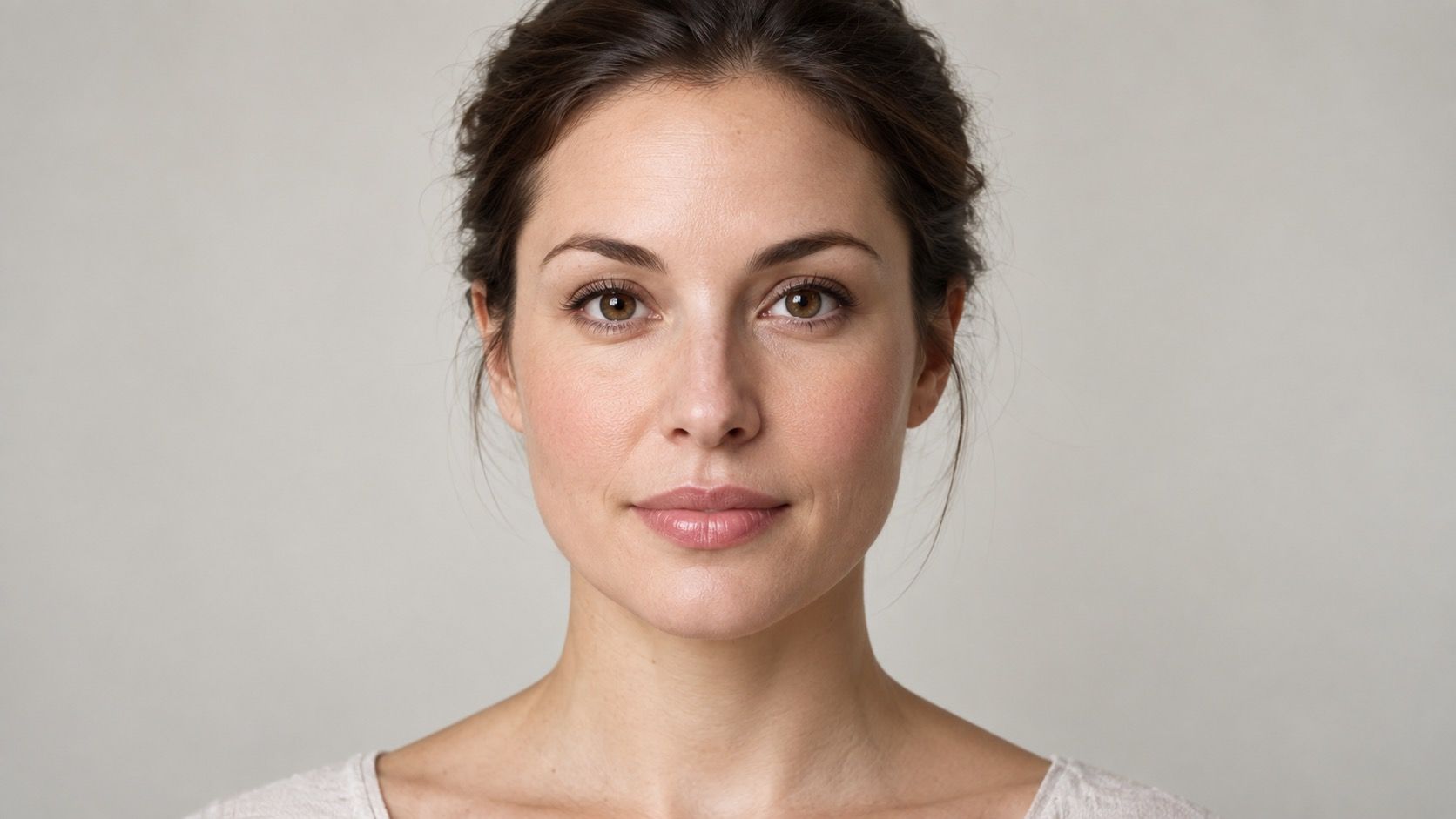
Look first at the length-to-width ratio. An oblong face has a noticeably longer distance from hairline to chin than from cheek to cheek. The forehead, cheek area, and jaw often appear fairly even in width, and the jawline may be rounded, straight, or softly defined. Unlike an oval face, which tapers gradually at both ends, an oblong face tends to keep more parallel side lines through the middle.
Haircuts that add visual width at useful points
Measure with a soft tape if you are uncertain, but do not reduce the answer to numbers. Compare a relaxed mirror view with a photo taken at eye level. A camera held high lengthens the face, while a low camera can shorten it. Hair pulled tightly back also exposes the full vertical line and can make an oval face look oblong for the moment.
The most common confusion is with a rectangle face. Both are long, but rectangle usually brings a more angular, broad forehead and a defined, squared jaw. Oblong is often softer at the jaw and more evenly curved through the outline. The distinction matters less than identifying whether you want to add width, reduce height, or simply keep the face's natural length visible.
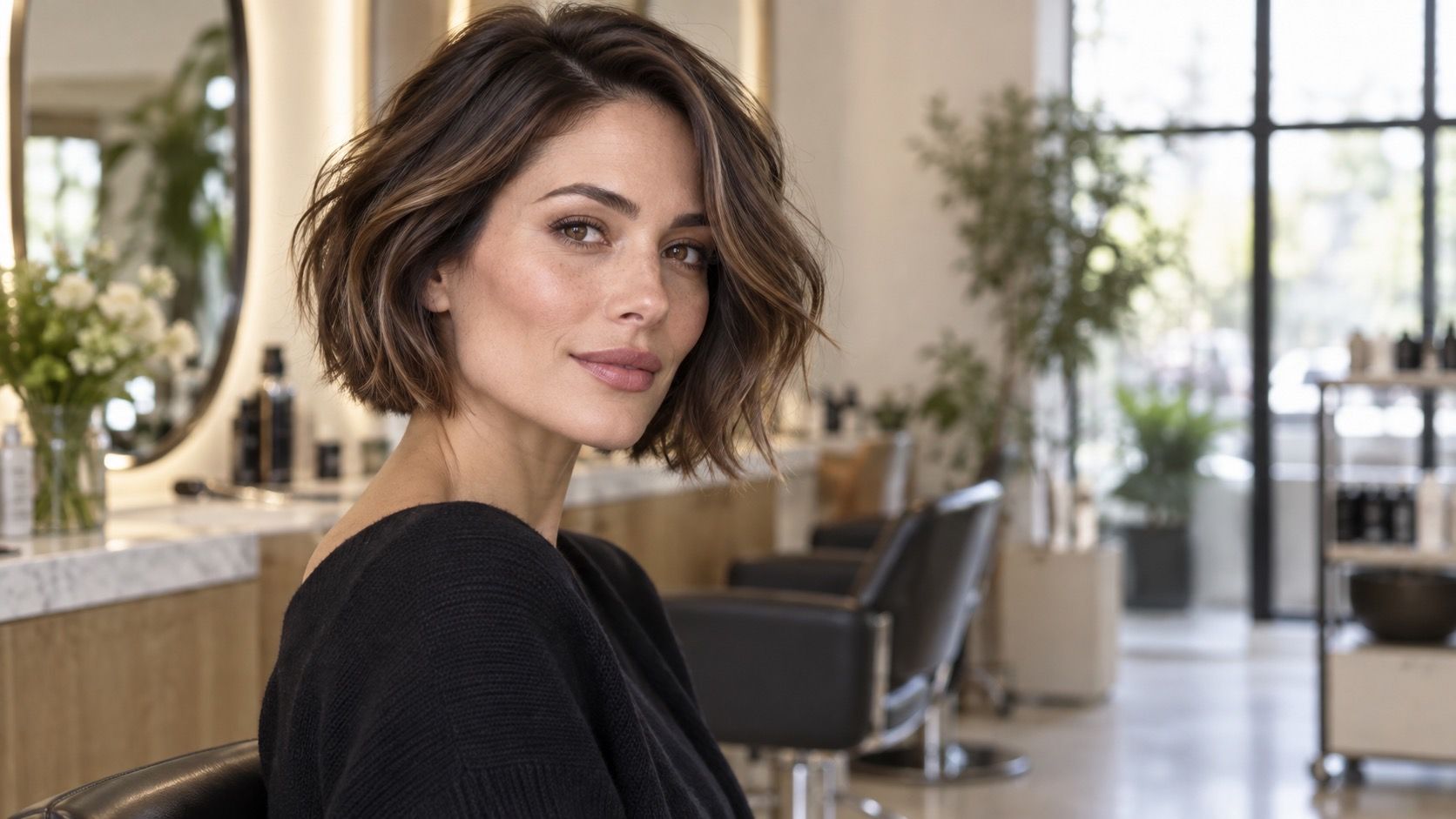
A shoulder-length cut with movement through the sides is a strong starting point. Waves, layers, and curls add horizontal volume near the cheeks and jaw, which counterbalances face length without requiring a dramatic change. For straight hair, a blunt or softly textured bob around the chin or collarbone can work well if it has enough fullness at the ends. Extremely long, flat hair often draws the eye straight down.
Layers should be placed with purpose. Long layers beginning only below the chest can add more vertical flow, while layers starting around the cheeks or jaw create width where an oblong face benefits from it. This does not mean making the sides huge. Even a few face-framing pieces and a loose bend from mid-length downward can change the silhouette more than a complex cut.
Short cuts can be excellent when they retain side texture. A rounded pixie, a layered crop with volume at the temples, or a curly cut that expands softly at the sides creates balance. Very tall pompadours or heavily lifted crowns can lengthen the face further, so use height sparingly if that is not your preferred effect.
| Desired effect | Try | Limit |
|---|---|---|
| Make the face look less long | Cheek-level wave, chin bob, horizontal texture | Extra height at the crown |
| Keep long hair | Face-framing layers and width through mid-lengths | Flat, one-length hair with a center part |
| Wear hair short | Rounded sides and a soft fringe | Very close sides with a tall top |
Bangs and partings can break up vertical length
A full fringe is often helpful because it changes the visible height of the forehead at once. It does not need to be thick or heavy; a soft, brow-skimming fringe with some texture can make the proportions feel more balanced and is easier to grow out. If your hair has a cowlick, ask for a slightly longer, flexible version rather than a short precision fringe that fights your natural growth.
Curtain bangs are another option when they have enough width and curve into the cheeks. Very long, narrow curtains that open far down the face may add two more vertical lines, so keep some horizontal softness near the brow and temple. Side-swept fringe works well too, especially when it blends into a layered bob or shoulder-length cut.
A center part is not automatically unflattering, but it usually needs volume or texture beside it. With sleek, flat hair it can emphasize length; with waves or a fuller shape around the jaw, it can look beautifully balanced. An off-center part is an easy adjustment on days when you want the same haircut to read less vertical.
Glasses and sunglasses benefit from a little depth
Deep frames, rounded squares, and wider shapes can visually shorten an oblong face because they occupy more of the eye area horizontally. Choose frames whose lens height gives the brow and cheek room, rather than a narrow rectangle that creates another long horizontal strip. A frame that is slightly wider than the face can feel balanced, provided it does not extend so far that it overwhelms your features.
Round and softly geometric styles often work because they contrast with vertical length. A strong browline frame can be attractive if it does not sit too high on the face; try it with your hair down and up. Sunglasses should be tested outdoors, where a dark lens and thick rim can appear much heavier than they do in a fitting room.
For people who wear a beard, fullness at the sides and a modestly shorter chin length can avoid adding extra vertical direction. A very long pointed beard will lengthen the outline, while rounded edges and a natural cheek line preserve width. The correct choice depends on growth pattern and comfort, not an abstract ideal.
Makeup and accessories can bring attention outward
Blush placed across the cheeks and blended outward toward the temples gives a gentle horizontal direction. Avoid carrying contour in one long vertical path down the sides of the face, which can make it appear narrower. A small amount of bronzer at the hairline can add warmth, but heavy shading is rarely needed and can look obvious in daylight.
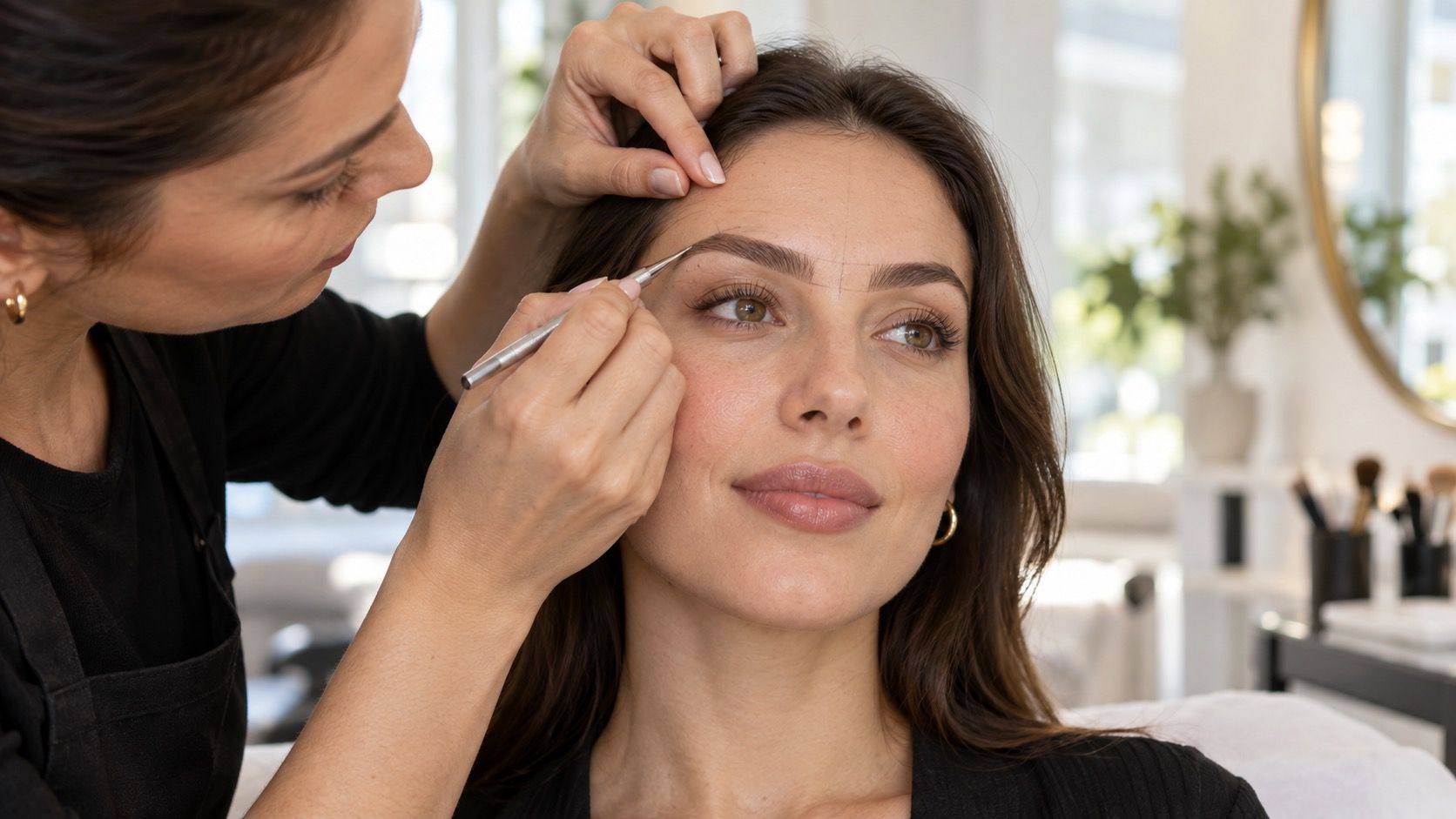
A softly straight brow or a low, natural arch can support the width of the upper face. Extremely high arches create a vertical lift that some people love but that may make a long face look longer. Earrings with width, medium hoops, and clustered studs can add presence beside the jaw; very long thin drops pull the eye downward unless balanced by a full hairstyle.
Necklines and collars contribute as well. Wider necklines, collars with some horizontal spread, and scarves tied with volume near the neck can counter vertical lines, while a long pendant against a narrow V-neck repeats them. These are optional refinements, not rules that need to govern every outfit.
Make styling choices that survive an ordinary day
Before changing your cut, think about where your hair naturally gets volume. If it falls flat at the crown but expands at the sides, work with that tendency rather than choosing a style that needs daily correction. Ask your stylist to show you a low-effort version of the finish and to explain how the fringe or layers will sit after air-drying.
Oblong face shape advice is most useful when it helps you spot why a cheek-level wave, fuller frame, or brow-skimming fringe feels balanced. It should not turn face length into something to conceal. Keep the proportions you enjoy, and use these ideas only when they make the overall silhouette feel more like you.