A rectangle face shape combines two features: noticeable length and clear angularity. The forehead, cheek area, and jaw tend to carry similar width, while the sides of the face look relatively straight and the jaw has definition. It is frequently called oblong, and the two labels overlap in everyday conversation. The difference becomes useful only when you are deciding whether to soften angular lines, add side width, or keep a deliberately graphic look.
The core features of a rectangle face shape
With hair pulled back, a rectangle face usually looks longer from hairline to chin than it does wide across the cheekbones. The forehead can be broad or fairly straight across, and the jawline often has visible corners or a flatter lower edge. From temple to jaw, the outer sides may look close to parallel. The chin is not necessarily square, but it usually does not taper sharply enough to make the face read as heart or diamond shaped.
Rectangle versus oblong: the difference is angularity
Look at more than one view. A front-facing photo shows width and length, while a three-quarter view reveals whether the jaw is genuinely defined or simply looks stronger because of lighting. A phone held below eye level can exaggerate anyone's jaw, and hair clipped tightly behind both ears can make the sides look more parallel. Use a relaxed expression and daylight for the most reliable comparison.
Rectangle face features are not a list of flaws to correct. Strong jawlines, broad foreheads, and clean side lines can make short hair and tailored glasses look exceptionally confident. The reason to identify the shape is to understand how a new cut or frame will interact with those features before you commit to it.
Both rectangle and oblong faces are long. An oblong face often has softer transitions: the forehead, cheeks, and jaw may be similarly wide, but the outer contour is more rounded and the jaw is less sharply defined. A rectangle face keeps more structure at the forehead and jaw, giving the outline a clearer four-sided quality. Think of oblong as long and gently curved, rectangle as long with straighter edges.
There are many in-between faces, so it is fine to use both terms if both descriptions fit. The practical distinction is in styling. Someone with a softer oblong face may want to add width at the cheeks. Someone with a rectangular face may want the same width plus a little texture or curve around a defined jaw. Neither approach requires covering the face; it is about deciding what contrast feels good.
A square face also has angularity, but it is less long. If forehead, cheekbone, and jaw width are similar and the face length is only modestly greater, square is likely closer. A rectangular face has that same family resemblance with a more pronounced vertical proportion. Comparing photos with the same hair position is more useful than trying to classify yourself from a single app result.
| Feature | Rectangle face | Oblong face |
|---|---|---|
| Overall proportion | Clearly longer than wide | Clearly longer than wide |
| Forehead and jaw | Often broad and angular | Usually softer and more rounded |
| Side outline | Relatively straight or parallel | More gently curved |
| Styling focus | Soften edges and add side balance | Add horizontal balance and reduce height if wanted |
Measure proportions without turning them into a verdict
Use a flexible tape measure, a mirror, and a photograph taken from a little distance. Measure face length from the center hairline to the chin, then compare forehead width, cheekbone width, and jaw width. Do not pull the tape around the curve of the face; measure straight across. Numbers show trends, but hairline shape, facial expression, and lens distortion mean they should support your observation rather than replace it.
Next, trace the outer contour visually. Are the temples and jaw close in width? Does the jaw make a visible corner before it reaches the chin? Is the face length notably greater than the widest horizontal measurement? Those answers tell you more about a rectangular face shape than a rigid ratio does. A long face with a gently rounded jaw may be better served by oblong styling ideas.
Repeat the check with your usual hairstyle. A full fringe can visually shorten the face, while a center part with long straight hair can emphasize length. That does not change bone structure, but it does explain why the same person may look different across photos. Styling is part of what people see, so it belongs in the assessment.
Haircut proportions to try before making a big change
For a softer outline, choose haircuts with movement around the cheeks and jaw. Shoulder-length layers, loose waves, and textured ends interrupt the long straight side lines of a rectangle face. A bob that ends at the chin or just below it can add horizontal balance, particularly when it is lightly rounded rather than cut into a rigid block. Fine hair may need a blunter perimeter for fullness; thick hair can benefit from internal layers that prevent the sides from becoming too triangular.
A fringe can be useful because it changes the visible length of the forehead. Full, softly textured bangs and wider curtain bangs are often easier to wear than a tiny narrow fringe. The outer pieces should blend into the cheek area, not end abruptly at the widest point. If you prefer no fringe, a deep side part and face-framing layers can create a similar diagonal without the upkeep.
Short styles work when they do not rely on height alone. A textured pixie with softness at the temples or a cropped style with a side-directed fringe can look polished. Very close sides paired with a tall, sharp top will lengthen a rectangular face further and echo the angularity. That may be a deliberate fashion choice, but test it in profile before asking for an irreversible cut.
Glasses, makeup, and grooming details have their own geometry
Rounded frames, deep rectangular lenses with softened corners, and moderate cat-eye shapes provide contrast to a defined jawline. Look for a frame with enough lens height to occupy the eye area; very narrow glasses can make a long face appear longer. Width should feel proportional at the temples rather than extending far beyond them. Test frames with your hair up and down because the surrounding silhouette changes the result.
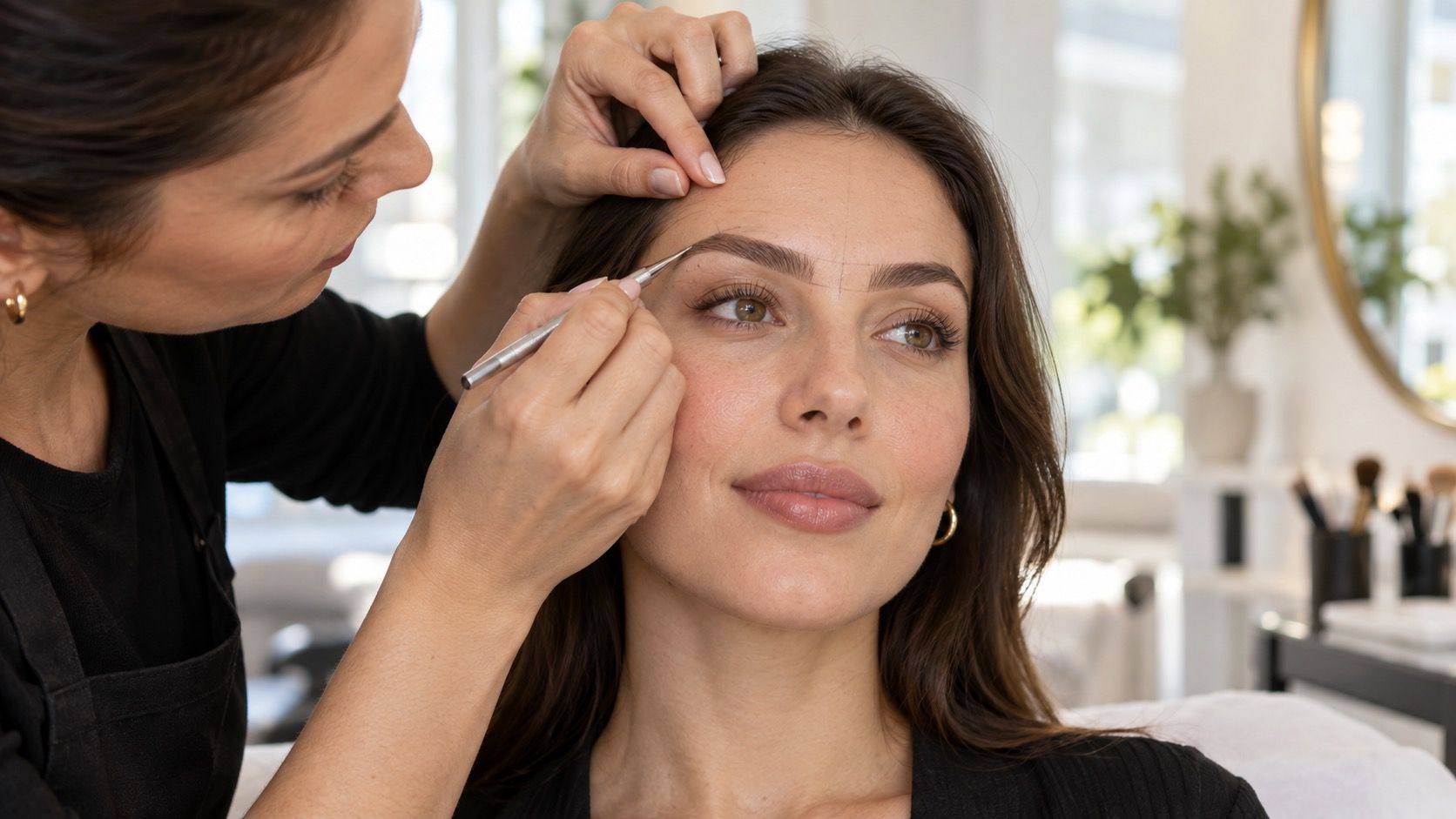
Makeup can add softness through placement rather than heavy contour. Blush swept across the cheeks and outward toward the temples gives horizontal direction. If you contour, blend lightly below the cheekbone and avoid drawing two dark vertical lines down the sides of the face. A natural brow with a gentle curve often balances angularity better than an exaggeratedly squared brow, though personal style should lead the choice.
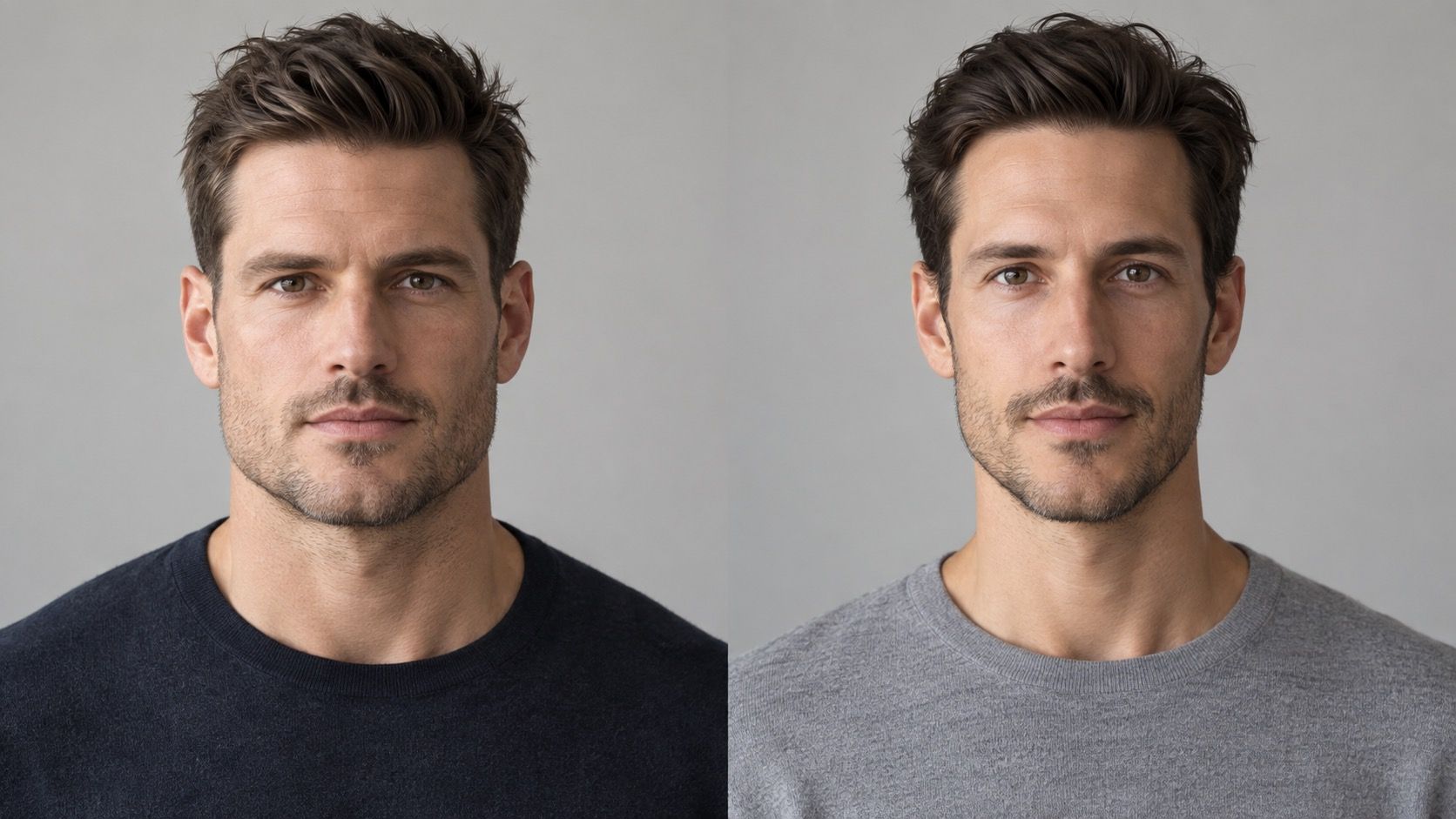
For facial hair, rounded lower corners and moderate fullness at the sides can soften a defined jaw. A long pointed beard adds vertical length, while a very crisp box shape repeats the face's geometry. Keep the approach compatible with natural growth density; a beard that requires daily precision may be less satisfying than a softer shape that looks good after a normal morning routine.
Choose the styling direction you actually enjoy
There are two equally valid directions for a rectangular face: use curved, textured details to soften it, or use clean lines to make the structure look intentional. The first might mean a wavy collarbone cut, rounded glasses, and a soft fringe. The second might mean a sleek bob, a strong brow, and a refined angular frame. Problems arise only when every single element adds height, width, or sharpness without considering the rest of the look.
Before a haircut, bring your stylist photos that match your hair density and maintenance tolerance. Ask where the volume will sit after washing and whether the fringe needs daily heat styling. A rectangle face shape guide is successful if it gives you a clearer way to discuss proportions, not if it makes you chase a different outline. The most flattering result is one that still feels good in ordinary light, on an ordinary day.